What Is a Dental Prosthesis?
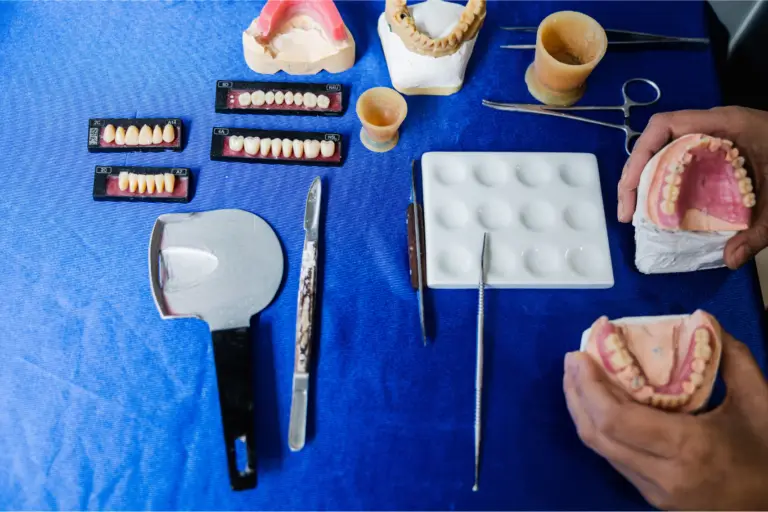
A dental prosthesis, often called “prosthesis teeth,” is a custom-made appliance specifically created to replace or repair a single tooth or full arch of teeth. Discover how dental prosthesis restores dental functionality.
Table of Contents
Understanding what a Dental Prosthesis is
- Dentures:
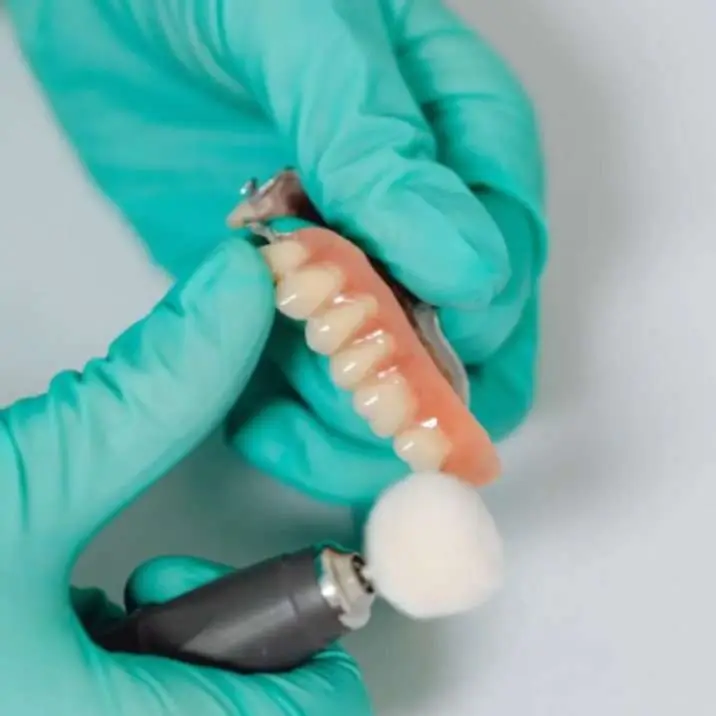
- Removable or fixed (supported by implants) devices designed to replace a significant number of missing teeth or all of them.
- Available as complete dentures (for replacing all teeth) or partial (for replacing a few teeth).
- Custom-made to fit your mouth and match your natural teeth color.
- Dental Bridges:
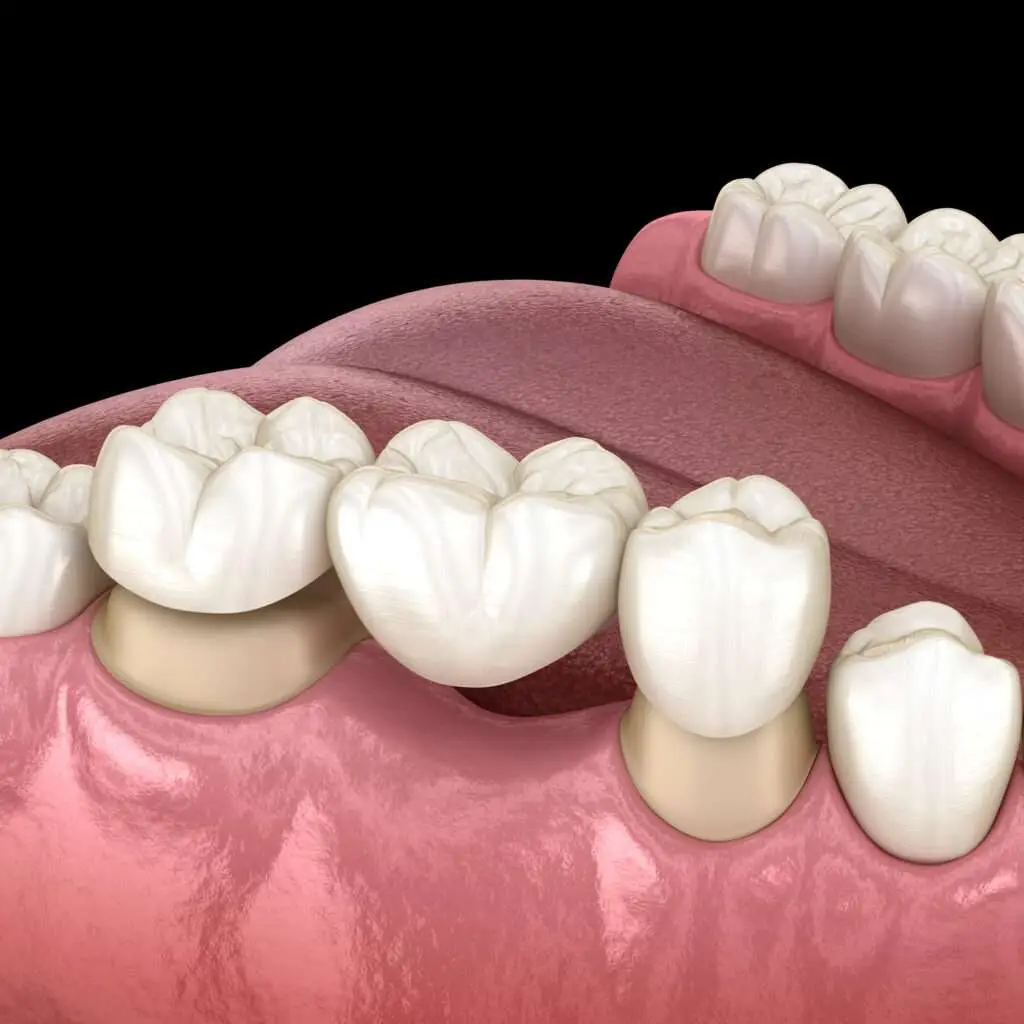
- Fixed or removable partial devices fill the gap of missing teeth, and they are used when one or a few teeth are missing.
- They are anchored to neighboring teeth or dental implants.
- Help maintain the shape of your face and alleviate stress on your bite.
- Implant-Supported Prostheses:
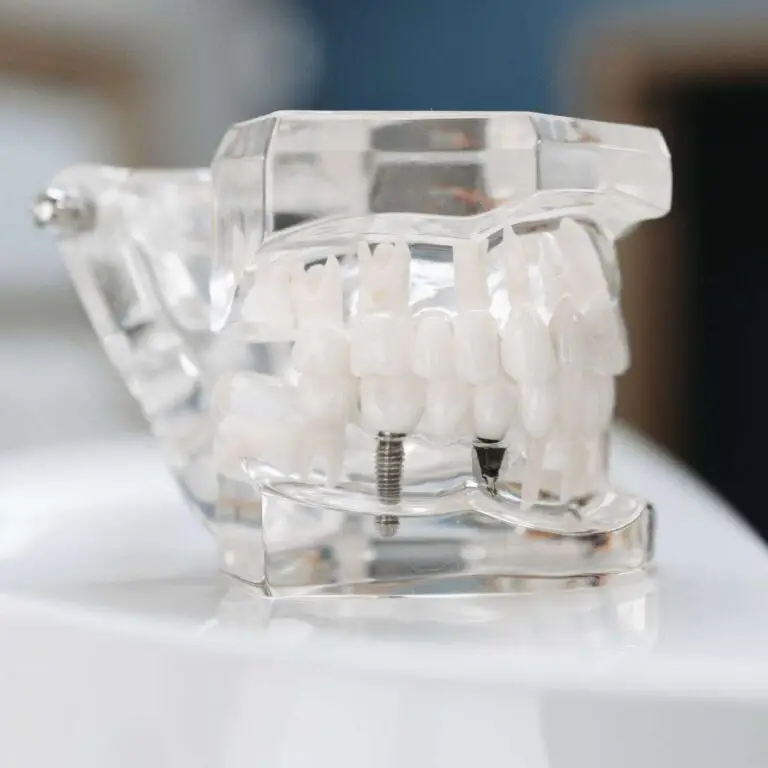
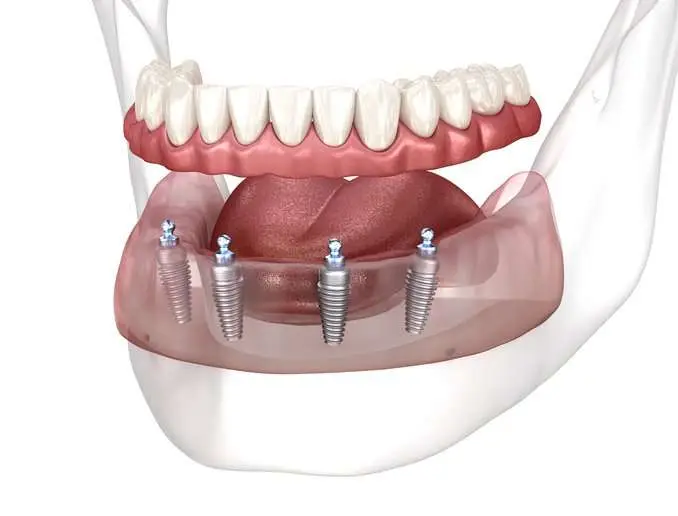
- A permanent solution anchored into the jawbone with titanium posts, All-on-4 Dental Implant treatments with their “immediate-loading” technique are the perfect example.
- They can replace a single tooth, multiple teeth, or a complete set of teeth. Fixed Dentures and Fixed Bridges, as mentioned before, are also implant-supported prostheses that promote jawbone health and prevent bone loss.
Recognizing When a Dental Prosthesis May Be Needed
- Teeth that are cracked, chipped, or noticeably worn down Persistent gum irritation, soreness, or bleeding
- Tooth sensitivity or pain during eating or drinking
- Concerns about the color, shape, or overall appearance of your teeth
Benefits and Considerations of Dental Implants:
- Occasional loosening of the screws holding parts together
- Rare cases of bonding material weakening
- Chipped or fractured porcelain crowns
- Sensitivity or changes in the tissues or bone supporting the implant
How the Dental Implant Process Works:
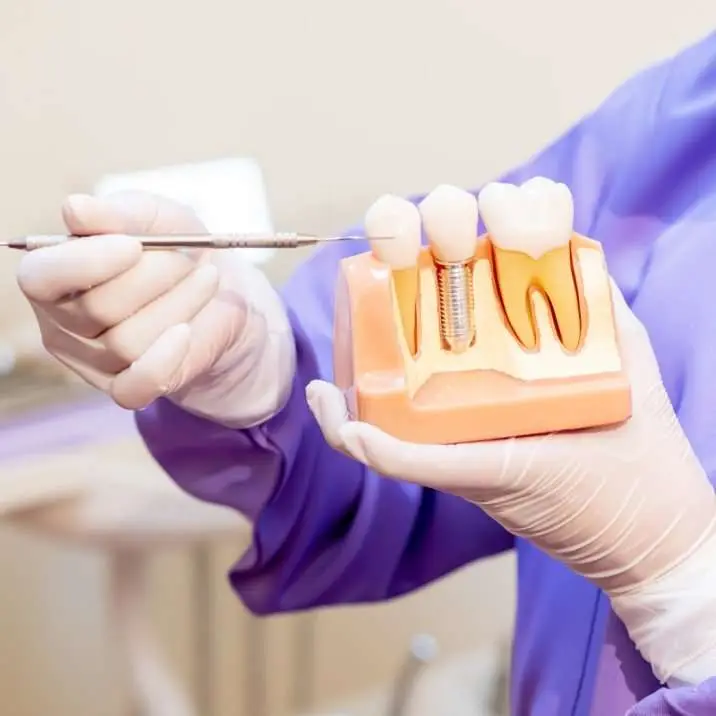
- First, the dentist places a small titanium post directly into your jawbone. This acts as the sturdy "root" for your new tooth.
- Next comes the abutment—a connector that’s attached after your jawbone has healed and integrated with the implant. Sometimes, if the bone health allows, the abutment is added right away; other times, it may be placed after a healing period.
- Finally, a custom-made crown is securely fixed atop the abutment, blending seamlessly with your natural teeth.
Types of Dental Prosthesis
Comparing the Costs: Dental Implants vs. Dentures
By contrast, traditional dentures generally cost less upfront. Complete upper or lower dentures usually fall in the ballpark of $1,600. However, it’s important to keep in mind that dentures may need adjustments or replacement over time, whereas implants are built to last, potentially making them more cost-effective in the long run.
Your dentist can help you understand which option fits your goals, budget, and oral health—keeping both short-term expenses and long-term benefits in mind.
Potential Complications of Dental Crowns
- Sensitivity: You might notice increased sensitivity to hot or cold foods if the crown doesn’t perfectly seal the underlying tooth.
- Loose Fit or Dislodgement: Chewing sticky foods, or simple wear and tear, can sometimes loosen a crown, which might ultimately require replacement or adjustment.
- Allergic Reactions: Although rare, some people can react to the metals or materials used in certain crowns.
In a nutshell
Lifespan and Care of Dental Crowns
- Brush twice a day using a soft-bristled toothbrush.
- Floss daily, paying special attention to the gumline.
- Avoid chewing on hard objects (like ice or hard candies) that could damage the crown.
- Schedule regular visits with your dentist to check for any signs of wear or trouble.

Discover the Ideal Dental Prosthesis For You With Our Experts
What is a dental prosthesis?
A dental prosthesis is a custom-made dental appliance designed to replace missing teeth or parts of teeth, as well as to restore missing soft or hard structures of the jaw and palate. It aims to rehabilitate chewing function (mastication), improve aesthetics, and aid speech.
What types of dental prostheses are available?
In short, the main types of dental prostheses available are:
Bridges: Fixed or removable appliances that replace one or more missing teeth by being anchored to adjacent teeth or implants.
Dentures: Complete Dentures: Replace all teeth in an arch (upper or lower) or Partial Dentures: Replace some missing teeth when others remain.
How do dental prostheses improve oral health?
Dental prostheses offer various solutions for restoring your smile bite and oral health.